Wednesday, September 29, 2010

Τα δάπεδα PVC συνδέονται με το παιδικό άσθμα
Τα παιδιά που ζουν σε σπίτια με δάπεδα PVC διατρέχουν μεγαλύτερο κίνδυνο να αναπτύξουν άσθμα, σύμφωνα με στοιχεία μελέτης Σουηδών επιστημόνων
29/09/2010 | 16:51 Τελευταία Ενημέρωση 16:51 29/09/2010

Τα παιδιά που ζουν σε σπίτια με δάπεδα PVC διατρέχουν μεγαλύτερο κίνδυνο να αναπτύξουν άσθμα. Σύμφωνα με στοιχεία μελέτης Σουηδών επιστημόνων στα παιδιά αυτά παρατηρήθηκε αυξημένη πρόσληψη φθαλικών, τα οποία μάλιστα ανιχνεύτηκαν στα ούρα. Στην περίπτωση που ο εξαερισμός είναι ανεπαρκής παρατηρούνται αυξημένα επίπεδα εκπνεόμενου οξειδίου του αζώτου, το οποίο είναι ένας δείκτης φλεγμονής του αναπνευστικού αλλά και ένας σημαντικός παράγοντας για την ανάπτυξη άσθματος.
Έχει αποδειχθεί ότι το άσθμα και οι αλλεργίες στα παιδιά συνδέονται με την έκθεση στα φθαλικά, που χρησιμοποιούνται ως πλαστικοποιητές στα υλικά PVC. Τα δάπεδα από PVC εμπλέκονται στην εκπομπή των αποκαλούμενων ενδοκρινικών διαταρακτών - (εξωγενείς ουσίες που ενεργούν όπως οι ορμόνες στο σώμα και αναστατώνουν τη φυσιολογική λειτουργία των ενδογενών ορμονών). Οι μελέτες συνδέουν τους ενδοκρινείς διαταράκτες με δυσμενείς βιολογικές συνέπειες στα ζώα. Το γεγονός αυτό εμπνέει την ανησυχία καθώς ενδέχεται να υπάρξουν παρόμοιες συνέπειες και στους ανθρώπους μετά από συνεχή χαμηλού επιπέδου έκθεση.
Η συγκεκριμένη μελέτη πραγματοποιήθηκε στο Ερευνητικό Κέντρο Πρωτοβάθμιας Περίθαλψης, Karlstad της Σουηδίας από τον δρ Fredrik Carlstedt σε ένα δείγμα 110 βρεφών ηλικίας μεταξύ 2-6 μηνών και παρουσιάστηκε στο 20ο ετήσιο συνέδριο της Ευρωπαϊκής Πνευμονολογικής Εταιρείας το οποίο πραγματοποιήθηκε πρόσφατα στη Βαρκελώνη. Στα παιδιά αυτά το εκπνεόμενο οξείδιο του αζώτου μετρήθηκε μέσω μάσκας προσώπου, ενώ ο δείκτης παρουσίας φθαλικών MBzP (Monobenzyl Phthalate) μετρήθηκε σε δείγμα ούρων.
Σύμφωνα με τον δρ Carlstedt προηγούμενες μελέτες έδειξαν συσχέτιση του δαπέδου PVC με το άσθμα, ειδικά όταν ο εξαερισμός είναι ανεπαρκής. Η μελέτη που έγινε στο Ερευνητικό Κέντρο Πρωτοβάθμιας Περίθαλψης Karlstad έδειξε ότι τα επίπεδα εκπνεόμενου οξειδίου του αζώτου σε συνθήκες ανεπαρκούς εξαερισμού ήταν σαφώς υψηλότερα και για πρώτη φορά ανιχνεύτηκε αυξημένη πρόσληψη φθαλικών σε παιδιά των οποίων τα δωμάτια είχαν δάπεδα PVC
Ο ίδιος τόνισε ότι, οι οικιακοί παράγοντες είναι σημαντικοί κατά εξέταση της παθογένεσης της αλλεργικής νόσου. Στη μελέτη αναφέρεται ότι η σχέση του δαπέδου PVC και των υψηλών επιπέδων φθαλικού εστέρα στα βρέφη αποκαλύπτει ότι η εισπνοή μπορεί να είναι μια σημαντική οδός για την έκθεση σε διχλωροαιθυλένιο (EDC).------------- SKAI
Έχει αποδειχθεί ότι το άσθμα και οι αλλεργίες στα παιδιά συνδέονται με την έκθεση στα φθαλικά, που χρησιμοποιούνται ως πλαστικοποιητές στα υλικά PVC. Τα δάπεδα από PVC εμπλέκονται στην εκπομπή των αποκαλούμενων ενδοκρινικών διαταρακτών - (εξωγενείς ουσίες που ενεργούν όπως οι ορμόνες στο σώμα και αναστατώνουν τη φυσιολογική λειτουργία των ενδογενών ορμονών). Οι μελέτες συνδέουν τους ενδοκρινείς διαταράκτες με δυσμενείς βιολογικές συνέπειες στα ζώα. Το γεγονός αυτό εμπνέει την ανησυχία καθώς ενδέχεται να υπάρξουν παρόμοιες συνέπειες και στους ανθρώπους μετά από συνεχή χαμηλού επιπέδου έκθεση.
Η συγκεκριμένη μελέτη πραγματοποιήθηκε στο Ερευνητικό Κέντρο Πρωτοβάθμιας Περίθαλψης, Karlstad της Σουηδίας από τον δρ Fredrik Carlstedt σε ένα δείγμα 110 βρεφών ηλικίας μεταξύ 2-6 μηνών και παρουσιάστηκε στο 20ο ετήσιο συνέδριο της Ευρωπαϊκής Πνευμονολογικής Εταιρείας το οποίο πραγματοποιήθηκε πρόσφατα στη Βαρκελώνη. Στα παιδιά αυτά το εκπνεόμενο οξείδιο του αζώτου μετρήθηκε μέσω μάσκας προσώπου, ενώ ο δείκτης παρουσίας φθαλικών MBzP (Monobenzyl Phthalate) μετρήθηκε σε δείγμα ούρων.
Σύμφωνα με τον δρ Carlstedt προηγούμενες μελέτες έδειξαν συσχέτιση του δαπέδου PVC με το άσθμα, ειδικά όταν ο εξαερισμός είναι ανεπαρκής. Η μελέτη που έγινε στο Ερευνητικό Κέντρο Πρωτοβάθμιας Περίθαλψης Karlstad έδειξε ότι τα επίπεδα εκπνεόμενου οξειδίου του αζώτου σε συνθήκες ανεπαρκούς εξαερισμού ήταν σαφώς υψηλότερα και για πρώτη φορά ανιχνεύτηκε αυξημένη πρόσληψη φθαλικών σε παιδιά των οποίων τα δωμάτια είχαν δάπεδα PVC
Ο ίδιος τόνισε ότι, οι οικιακοί παράγοντες είναι σημαντικοί κατά εξέταση της παθογένεσης της αλλεργικής νόσου. Στη μελέτη αναφέρεται ότι η σχέση του δαπέδου PVC και των υψηλών επιπέδων φθαλικού εστέρα στα βρέφη αποκαλύπτει ότι η εισπνοή μπορεί να είναι μια σημαντική οδός για την έκθεση σε διχλωροαιθυλένιο (EDC).------------- SKAI
GERMAN REUNIFICATION | 29.09.2010
Discontent still strong in western Germany over reunification payments

Close to the central train station in the western German city of Gelsenkirchen is a tram stop called Leipzigerstrasse, named after Leipzig, a major city in eastern Germany. The walls of the station are decorated with images of other eastern cities, such as Potsdam, Dresden and Berlin. After more than four decades under the rule of communist East Germany, these cities became rundown, underdeveloped and underfinanced.
But since reunification in 1990, the six former East German states have received around 1.3 trillion euros ($1.76 trillion) in government reconstruction payments under the so-called Solidarity Pact - and the tab is still rising by around 80 billion euros each year. Many people in western German communities such as Gelsenkirchen say this bill has left cities like theirs running on empty.
Local frustration
A mere five minutes walk from the center of Gelsenkirchen it's plain to see that business isn't booming in this shopping area. Many storefronts are boarded up or vacant, and the roads and footpaths are cracked.
Gelsenkirchen resident Claudia says emotions run high whenever the topic of reunification payments is raised because it brings to the fore long-held frustrations over the Solidartiy Pact.

"Here in the Ruhr region there are many towns that don't have a lot of money and are staring bankruptcy in the face because of a high level of debt," she says. "At the same time they still have to pay for new streets and schools in the East. Looking at the streets in Gelsenkirchen, it would be good if the same was done here."
Torsten, another Gelsenkirchen resident, says it no longer makes any sense for money to flow exclusively to the eastern states.
"I think some part of the reconstruction payments should be shared, so they don't only go to cities in the East, but also to cities here in the West," he says. "At the moment, Gelsenkirchen needs financial assistance for structural changes. The money should be allocated on the basis of need - and not simply geography."
Neglect of the former West
This is a matter the mayor of Gelsenkirchen, Frank Baranowski, has taken to heart. He speaks of his frustration when visiting cities in the East, like Leipzig, and sees the fruits of city beautification projects and renewed public spaces there. All the while, he says, Gelsenkirchen is being neglected.
"We could use this money for infrastructure projects, and road works in particular," he told Deutsche Welle. "Many of our streets are in a bad state after the recent harsh winter and instead of making temporary repairs we could have been able to build new roads. If we had more money, we could invest more in our schools, we could finance more public infrastructure projects, we could also reduce the city's debts."

Baranowski says, however, there are few avenues for disgruntled municipalities in western Germany who want a political rethink of the Solidarity Pact.
"The only thing we can do as a town is to raise the issue of the injustice of the matter at the political level, to show that the money is urgently needed, for example in the Ruhr region, as much as by some towns in the East, and no longer by the whole of the East," he says.
"I think at this point there is no longer a majority who want to see an extension to the Solidarity Pact. But it's here and we have to live with it."
Equal development
An annual report released in September on the progress of reunification said that gross domestic product (GDP) in the states of the former East Germany had reached 73 percent of GDP in their western counterparts. It noted that eastern Germany has made "impressive strides" in terms of economic development.
Berlin-based social scientist Jochen Staadt says this is a sign that the time has come to begin balancing out reconstruction payments so they also benefit western cities like Gelsenkirchen.

"It can't be done immediately, but we need to think about how we can slow down support (for the eastern states) and think about how we can redirect some of it to those parts of western Germany, like Gelsenkirchen, so they can return to the level that developed regions in parts of eastern Germany have reached," he told Deutsche Welle.
"There will be other rural parts in the former East that have to be supported for a longer time, but it doesn't have to be in the whole region of the former East German states."
On the eve of the 20th anniversary of German reunification, on October 3, it's clear that the question is increasingly being asked as to whom now needs the money more - the former East or former West. But despite the frustration in cities like Gelsenkirchen, there is no indication from the federal government or the courts that the reconstruction payments will end any time before their mandated expiry date in 2019.
Author: Darren Mara
Editor: Chuck Penfold
dw
Tuesday, September 28, 2010

Saturday, September 25, 2010
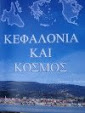
ΚΕΦΑΛΟΝΙΑ – “ACQUI” 24 ΣΕΠΤΕΜΒΡΙΟΥ 1943
Του Διονύση Αρβανιτάκη Η ημερομηνία αυτή θα μπορούσε να είναι το ορόσημο του τραγικού τέλους της Ιταλικής μεραρχίας ACQUI στην Κεφαλονιά μια και σημαδεύτηκε από την εκτέλεση των 136 Ιταλών αξιωματικών στο φανάρι μετά την παράδοση τους στους Γερμανούς. kathimerini |

Πολιτική | 24.09.2010
Πρώην επίτροποι εξακολουθούν να αμείβονται από την Κομισιόν

Σύμφωνα με τη γερμανική έκδοση των Financial Times, δεκαεπτά πρώην επίτροποι λαμβάνουν «μεταβατικά επιδόματα» που κυμαίνονται μεταξύ 40% και 65% του μισθού που λάμβαναν όσοι υπηρετούσαν στην Κομισιόν.
Μεταξύ αυτών φέρονται να είναι μια πρόεδρος κράτους, δύο υπουργοί Εξωτερικών και δύο ευρωβουλευτές. Οι πρώην επίτροποι σήμερα ασκούν άλλα λειτουργήματα και επαγγέλματα και παράλληλα με τις απολαβές που έχουν από αυτά εξακολουθούν να λαμβάνουν το μεταβατικό επίδομα της Κομισιόν. Ένα επίδομα που σύμφωνα με γερμανικά και αυστριακά ΜΜΕ αγγίζει τα 100 χιλιάδες ευρώ ετησίως και χορηγείται στους Ευρωπαίους πρώην επιτρόπους για 3 χρόνια.
Η λίστα του Ερενχάουζερ

Επιμέλεια: Σταμάτης Ασημένιος
Υπεύθ. Σύνταξης: Βιβή Παπαναγιώτου
dw
Subscribe to:
Posts (Atom)